Creating a home that balances beauty, comfort, and functionality has become more important than ever. Modern homeowners are moving beyond temporary design trends and investing in spaces that improve everyday living while reflecting their personal style. In 2026, residential interior design is focused on creating timeless, practical, and wellness-driven environments that seamlessly blend aesthetics with functionality.
Warm Minimalism Takes Center Stage
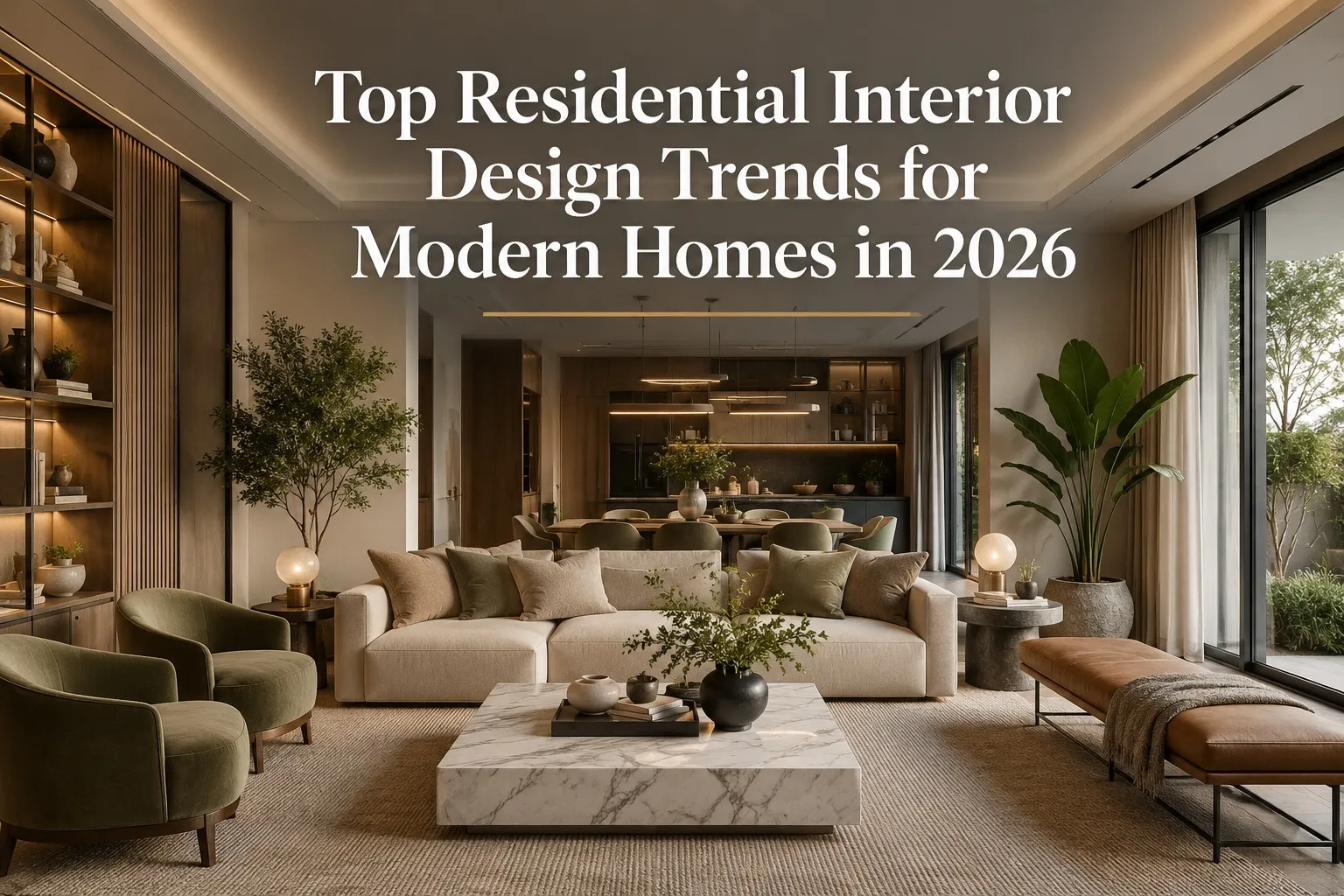
Minimalism continues to evolve, moving away from cold and sterile spaces toward warmer and more inviting interiors. Homeowners are embracing soft neutral palettes, textured fabrics, natural wood finishes, and layered lighting to create interiors that feel both sophisticated and comfortable.
Warm minimalism focuses on quality over quantity, emphasizing carefully selected furniture, uncluttered layouts, and meaningful décor elements that contribute to a calm and harmonious living environment.
Multifunctional Spaces for Modern Living
With hybrid lifestyles becoming the norm, homes now serve multiple purposes. Living rooms double as entertainment zones, bedrooms include workspace corners, and dining areas often accommodate work and study activities.
Interior designers are creating flexible layouts with multifunctional furniture, hidden storage solutions, and adaptable spaces that can evolve according to changing family needs.
Nature-Inspired Design Elements
Biophilic design remains a major trend in residential interiors. Homeowners are increasingly incorporating natural materials such as wood, stone, linen, and organic textures to create stronger connections with nature.
Large windows, indoor plants, natural lighting, and earthy color palettes contribute to healthier, more relaxing living environments while improving overall well-being.
Luxury Kitchens as Social Spaces
The modern kitchen has become the heart of the home. Open-plan kitchen layouts with large islands, premium finishes, integrated appliances, and smart storage solutions are becoming increasingly popular.
Rather than being purely functional, kitchens are now designed as social spaces where families gather, entertain guests, and spend quality time together.
Personalized Interiors Over Generic Designs
Homeowners are moving away from cookie-cutter designs and embracing customized interiors that reflect their lifestyles, interests, and personalities.
Custom furniture, unique artwork, bespoke lighting fixtures, and personalized décor elements help create homes that feel authentic and unique.
Conclusion
Modern residential interior design in 2026 is about creating spaces that are beautiful, functional, and deeply personal. By combining timeless aesthetics with thoughtful planning and innovative solutions, homeowners can create environments that enhance comfort, well-being, and everyday living.